Shopping for replacement tires in Asheville is easier when you know how to read the numbers on the sidewall. A marking such as 225/65R17 102H may look confusing, but it tells a tire professional important information about dimensions, construction, load capacity, and speed capability. Getting those details right matters whether you drive to work in Fletcher, commute from Weaverville, or head into the mountains near Black Mountain.
Before ordering tires for mobile installation, take a few minutes to check both the tire itself and your vehicle’s tire information placard. This guide explains the markings and the common mistakes to avoid.
What Does 225/65R17 Mean?
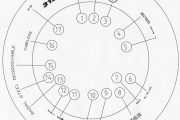
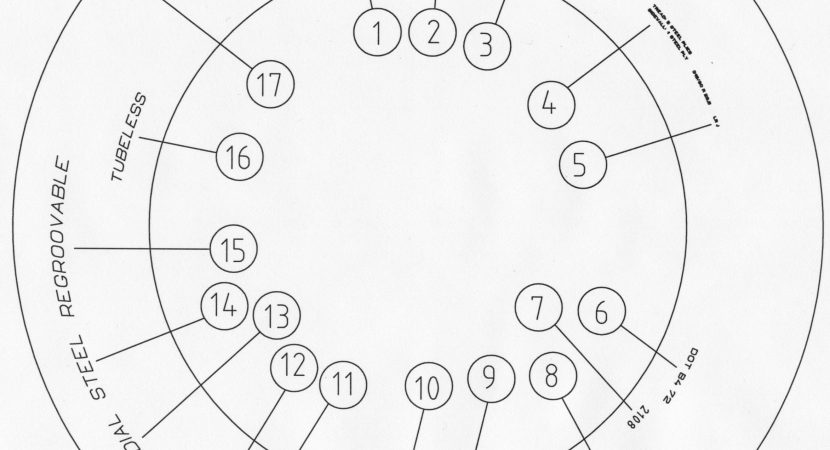
Let’s break down a common example: 225/65R17. This is an illustration, not a recommended size for every vehicle.
- 225: The tire’s nominal section width in millimeters, measured from sidewall to sidewall—not the tread width.
- 65: The aspect ratio. The nominal sidewall height is 65% of the tire’s section width.
- R: Radial construction, which is common on modern passenger vehicles.
- 17: The wheel diameter in inches that the tire is designed to fit. This is not the tire’s overall outside diameter.
For this example, the nominal sidewall height is approximately 146 millimeters (225 × 0.65). Changing any of these numbers may change how the tire fits, how the vehicle handles, and how its speedometer and safety systems operate. Do not substitute a similar-looking size without checking vehicle and tire manufacturer requirements.
What Do the 102 and H Mean After the Tire Size?
A marking such as 102H is called a service description. The number is the load index, which corresponds to the tire’s rated load-carrying capacity under specified conditions. For example, index 102 corresponds to 1,874 pounds per tire. The letter is the speed rating; H corresponds to a rated speed capability of 130 mph under the relevant test conditions.
These markings are not a suggestion to drive at that speed. Road conditions, speed limits, vehicle loading, and tire condition always matter. Replacement tires must meet the vehicle manufacturer’s requirements for load and speed capability. Two tires with identical 225/65R17 dimensions may have different service descriptions and may not be equally suitable for your vehicle.
Where Can You Find the Correct Tire Size?
Start with the Tire and Loading Information placard, usually located on the driver’s door edge or door jamb. It lists the manufacturer’s specified tire sizes and recommended cold inflation pressures. Your owner’s manual may provide additional approved configurations, including different front and rear sizes on certain vehicles.
Then compare the placard with the markings on your current tires. If they differ, do not automatically order the size currently installed. A previous owner may have changed the wheels or tires. A qualified technician can help determine the appropriate fitment for your vehicle’s year, make, model, trim, and wheel setup.
The NHTSA TireWise guide also recommends using the door placard or owner’s manual when selecting tires.
What Do P, LT, XL, and Other Tire Letters Mean?
You may see additional letters before or after the tire size. P typically identifies a P-metric passenger tire, while LT identifies a light-truck tire designed for a different load and inflation system. XL commonly means extra load, indicating a tire designed to carry additional load at its specified higher inflation pressure.
These designations are not interchangeable. A pickup or van may require particular tire construction, load range, or inflation specifications. A tire with a more rugged appearance is not necessarily a safe replacement. If your vehicle is used for towing, carrying equipment, or transporting heavy loads, correct load capacity becomes especially important.
How Do You Find the Tire’s Manufacturing Date?
The tire sidewall also carries a DOT Tire Identification Number (TIN). On modern tires, the last four digits of the complete TIN identify the week and year of manufacture. For example, 2324 means the tire was manufactured during the 23rd week of 2024.
The full date code may appear on only one side of the tire, so you may need to check the inner sidewall or have a technician inspect it. Age is one factor in tire safety, but it is not the only one. Heat exposure, storage, wear, damage, and manufacturer guidance matter. NHTSA notes that some vehicle and tire manufacturers recommend replacement after six to ten years regardless of treadwear; follow the applicable recommendations and have older tires inspected.
Does the Maximum PSI on the Sidewall Tell You What to Inflate To?
No. The pressure marking on a tire’s sidewall is not your vehicle’s recommended everyday inflation pressure. Use the cold tire pressure specified by the vehicle manufacturer on the door placard or in the owner’s manual, unless a qualified professional determines that a different approved setup requires other instructions.
Check pressure when the tires are cold, typically before driving or after the vehicle has been parked for several hours. Tire pressure changes with temperature, so a cool Western North Carolina morning may reveal a lower reading than a warm afternoon. For step-by-step instructions, see our guide to checking tire pressure correctly in Asheville.
Can You Install a Different Tire Size to Save Money?
Sometimes a vehicle manufacturer approves more than one wheel-and-tire configuration, but a size change should never be based on price alone. Wheel width, brake clearance, load rating, overall diameter, suspension clearance, and electronic systems all affect compatibility. Even a modest difference in overall diameter can affect speedometer readings.
All-wheel-drive vehicles can be especially sensitive to differences in rolling circumference between tires. Some manufacturers specify tight limits on tread-depth differences or require closely matched tires. Before replacing only one or two tires, review the owner’s manual and ask a qualified tire professional to evaluate the remaining set.
What Information Should You Send When Requesting a Mobile Tire Quote?
To help ACO Tires & Detailing prepare an accurate quote, send the year, make, model, and trim of your vehicle, plus the full tire size and service description if you can read them. A clear photograph of the tire sidewall and door-jamb placard can be useful. Mention if the vehicle has aftermarket wheels, different front and rear tire sizes, or special towing or load requirements.
Tell us whether you need one tire, two tires, or a full set, and whether you prefer new or used options where available. If a tire is flat or visibly damaged, mention whether the vehicle can be moved safely. Do not drive on a tire with exposed cords, a bulge, or serious sidewall damage. Our flat tire repair versus replacement guide explains why some punctures cannot be safely repaired.
Check Tire Condition, Not Just the Numbers
Correct sizing is essential, but a properly sized tire can still be unsafe if it is damaged, excessively worn, or incorrectly inflated. Check for cuts, cracks, bulges, uneven wear, and tread that has reached its wear indicators. A new vibration or steering change deserves prompt inspection.
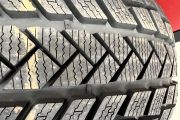
If you’re preparing for cold-weather driving, see our comparison of all-season, all-weather, and winter tires. Tire type and tread design matter along with size when you drive on wet, snowy, or icy mountain roads.
Get a Tire Quote from ACO Tires & Detailing in Asheville
Need help identifying the correct tire size or arranging tire installation at your home or office? ACO Tires & Detailing helps drivers across Asheville, Black Mountain, Weaverville, Fletcher, Canton, and surrounding Western North Carolina communities. Contact us with your vehicle information so we can review tire options and confirm mobile service availability.
Visit acotires.com, call 828-338-2206 for mobile tire service, or call the shop at 828-279-2089. Shop address: 2 Shagbark Dr, Asheville, NC.
The right replacement tire is about more than matching the first three numbers. Check the complete markings, verify the vehicle’s specifications, and ask before buying if anything does not match.