October is a smart time to think about winter tire choices in Western North Carolina. A mild afternoon in Asheville can be followed by freezing temperatures in higher elevations, and drivers traveling through Black Mountain, Weaverville, Fletcher, or Canton may encounter different road conditions on the same trip. So should you buy all-season, all-weather, or dedicated winter tires?
Short answer: conventional all-season tires can suit drivers who mainly travel on cleared roads in mild conditions. All-weather tires offer an additional level of tested snow traction while remaining suitable for year-round use. Dedicated winter tires are the strongest choice when you regularly face snow, ice, steep approaches, or unplowed roads. The right answer depends on where, when, and how you drive—not just your ZIP code.
All-Season Tires: A Practical Everyday Option
All-season tires are designed to balance dry and wet grip, comfort, tread life, and some capability in light winter weather. They are common on passenger cars, crossovers, and SUVs because many drivers prefer a single set of tires year-round.
However, the words “all-season” do not mean “best in every season.” Snow performance varies substantially among models, and conventional all-seasons are not designed to match dedicated winter tires on slippery roads. For a driver whose commute is mostly around Asheville on maintained streets, quality all-seasons with healthy tread may be reasonable. Someone frequently heading up steep, shaded, or untreated roads should evaluate more winter-focused options.
All-Weather Tires: More Snow Capability Without Seasonal Swaps
All-weather tires are designed to be used year-round but place greater emphasis on snow traction than conventional all-seasons. Many are identified by the three-peak mountain snowflake (3PMSF) marking on the sidewall. That symbol indicates the tire met a defined test for acceleration traction on snow.
This makes all-weather tires worth considering for Western North Carolina drivers who occasionally encounter snow and slush but do not want to maintain separate summer and winter sets. They can be a sensible middle ground, particularly for mixed city and mountain driving.
There is an important limitation: the 3PMSF test does not guarantee exceptional braking, cornering, or ice traction. Performance varies by tire model. All-weather tires should not be treated as interchangeable with dedicated winter tires during severe storms. Tire Rack explains the test and its limits.
Winter Tires: Built for Consistent Cold, Snow, and Ice
Dedicated winter tires use tread patterns and rubber compounds engineered for cold-weather traction. They are designed to provide better control in demanding winter conditions, including snow and ice, than typical all-season tires. The National Highway Traffic Safety Administration (NHTSA) notes that winter tires are more effective than all-season tires in deep snow.
Winter tires may be the right investment if you routinely drive early in the morning before roads are treated, live on a steep private driveway, travel into higher elevations, or cannot avoid winter trips. Their trade-offs include the expense of a second set, seasonal mounting or wheel changes, storage, and less suitable performance or faster wear during warm weather.
Winter tires should generally be installed as a matched set of four, subject to vehicle-manufacturer requirements. Installing just two winter tires can create an undesirable front-to-rear grip imbalance. Ask a qualified tire professional to confirm sizing, load capacity, and fitment.
What Does the Three-Peak Mountain Snowflake Symbol Mean?
Look for a small mountain outline with three peaks and a snowflake inside. Tires carrying this marking have passed a standardized snow-acceleration traction requirement. It is found on dedicated winter tires and qualifying all-weather tires, as well as some other tire designs.
Do not confuse 3PMSF with M+S (mud and snow). The M+S designation is based on tread-design criteria and does not, by itself, require passing the same snow-traction performance test. Neither marking eliminates the need to slow down, maintain safe following distance, and avoid unnecessary travel when roads are icy.
Which Tire Type Makes Sense Around Asheville?
- Mostly city driving on maintained roads: Well-chosen all-season tires may meet your needs if you can stay home during snow and ice.
- Regular trips between Asheville, Black Mountain, and surrounding mountain communities: Consider 3PMSF-rated all-weather tires if you want stronger snow capability without seasonal tire changes.
- Steep driveways, rural roads, or frequent higher-elevation travel: Dedicated winter tires deserve serious consideration, especially if trips cannot be postponed.
- Frequent severe winter conditions: Even with winter tires, know when conditions are too dangerous to travel. Tires cannot overcome black ice, poor visibility, or unsafe speeds.
Also consider your vehicle’s drivetrain. All-wheel drive may help a vehicle get moving, but it does not eliminate the need for adequate traction when braking or turning. Tires and road conditions matter for every drivetrain.
Before Buying, Check These Five Things
- Correct size: Use the tire size approved by the vehicle manufacturer. The owner’s manual and tire placard are the starting points.
- Load and speed ratings: Replacement tires must meet vehicle requirements; do not select based on appearance or price alone.
- Your real winter route: A short commute on cleared roads differs from a steep, shaded driveway or an early-morning mountain highway trip.
- Independent test results: Compare specific models for wet braking, snow traction, comfort, and tread life rather than relying only on the tire category.
- Existing tire condition: Worn tread, sidewall damage, and improper inflation can make any tire less safe. Our guide to tire tread depth for rainy Asheville roads explains what to check.
Winter Tire Care Still Matters
Cold weather can affect inflation pressure, so check your tires when cold and use the vehicle’s recommended PSI—not the maximum printed on the tire sidewall. Inspect the tread and sidewalls monthly and before long trips. If your tire pressure monitoring system warns you, do not ignore it: our guide to solid and flashing TPMS lights explains the difference.
After hitting a pothole or curb, watch for new vibrations, pulling, or uneven wear. If you see a bulge, exposed cords, or other serious damage, stop using that tire and arrange professional help. A winter-specific tread pattern cannot make a damaged tire safe.
Frequently Asked Questions
Do I need snow tires just because I live in Asheville? Not necessarily. Your route, elevation, travel schedule, and ability to avoid storms are more useful factors than your address alone.
Are all-weather tires the same as winter tires? No. Both may carry the 3PMSF symbol, but dedicated winter tires are designed for more demanding winter conditions and typically outperform all-weather models on snow and ice.
Can I leave winter tires on during summer? It is generally not recommended. Winter tire compounds and designs are optimized for colder conditions; warm-weather use can increase wear and compromise the performance balance you want on dry and wet pavement.
Will new tires prevent sliding on ice? No. Better tires can improve traction, but no tire guarantees control on ice. Adjust your speed and driving plans to conditions.
Ask ACO Tires & Detailing About the Right Tires
Choosing tires for Asheville and Western North Carolina should start with your vehicle and driving habits. ACO Tires & Detailing can help you discuss tire sizes, replacement options, and mobile tire service availability for your location.
Visit acotires.com, call our mobile tire service at 828-338-2206, or contact the shop at 828-279-2089. Find us at 2 Shagbark Dr, Asheville, NC. We serve drivers in Asheville and surrounding communities, including Black Mountain, Weaverville, Fletcher, and Canton. Getting the right tires before winter weather arrives can make your daily driving plans more predictable.
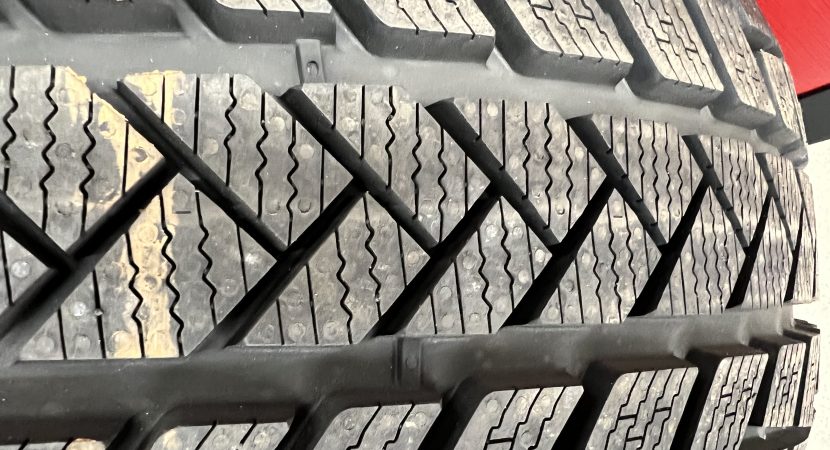
Featured photo credit: Oregon Department of Transportation, “Snow tire tread”, licensed under CC BY 2.0. Image used without intentional modification.