If your tire-pressure warning light comes on while driving around Asheville, don’t ignore it—even if the car still feels normal. The Tire Pressure Monitoring System (TPMS) is designed to warn you when tire pressure is significantly low or, on many vehicles, when the monitoring system itself has a problem. The right next step depends on whether the light stays on steadily or flashes first.
Here is how to interpret the warning, what to check before continuing your trip, and when to arrange a professional inspection.
What a Solid TPMS Light Usually Means
A tire-shaped symbol with an exclamation mark that stays illuminated usually means at least one tire is underinflated. A tire can lose air after a puncture, a damaged valve, a leaking wheel, or gradual pressure loss. Cooler overnight temperatures can also lower tire pressure enough to trigger the warning on a chilly morning in Asheville or the surrounding mountains.
Do not assume the tire is fine because it looks normal. Underinflation can be difficult to spot by eye, and the TPMS warning generally appears only after pressure has fallen below the system’s warning threshold. The National Highway Traffic Safety Administration (NHTSA) recommends checking tire pressure with a gauge regularly rather than relying on the warning light alone.
What It Means When the TPMS Light Flashes
On many vehicles, a TPMS light that flashes for roughly a minute and then remains on indicates a system fault rather than simply low tire pressure. A sensor may have failed, a sensor battery may be depleted, or the system may need to be relearned after tire or wheel service. The exact behavior varies by make and model, so consult your owner’s manual for your vehicle’s warning-light instructions.
A flashing light does not prove that all four tires are properly inflated. Check the pressure manually as soon as it is safe to do so. If pressures are correct but the light continues to flash and stay on, arrange a TPMS diagnostic inspection. The monitoring system may not be able to warn you reliably while the fault remains.
What to Do When the Light Comes On While Driving
- Stay calm and assess how the vehicle feels. If steering suddenly changes, the vehicle pulls strongly, a tire looks flat, or you hear flapping or thumping, slow down smoothly and pull over somewhere safe. Do not continue driving on a visibly flat or badly damaged tire.
- Find a safe place to stop. Avoid stopping in a traffic lane or on a narrow shoulder if you can safely reach a better location. Use hazard lights when appropriate.
- Inspect the tires from a safe position. Look for a visibly low tire, puncture, cut, bulge, or other damage. Do not touch or remove an object embedded in a tire if doing so could release air.
- Measure all four tires with a pressure gauge. Use the recommended cold pressure on the vehicle’s driver-door placard or in the owner’s manual—not the maximum pressure molded into the tire sidewall.
- Inflate and recheck if it is safe. Add air to bring each tire to the vehicle manufacturer’s recommended pressure. If a tire will not hold air, is significantly underinflated, or is damaged, do not treat adding air as a permanent repair.
Why the Light Often Appears on Cold Mornings
Air pressure decreases as tire temperatures fall. That means a tire that was close to the warning threshold the previous afternoon may trigger the TPMS light after a colder night. The light may turn off as the tires warm while driving, but that does not mean you should dismiss it. Check the pressures and adjust them to the recommended cold specification.
For the most accurate reading, NHTSA advises checking tires when they are cold—typically after the vehicle has been parked for at least three hours. If you need to add air before the tires cool, follow the vehicle manufacturer’s guidance and recheck the pressure when you can obtain a cold reading.
For a step-by-step refresher, read our guide: How to Check Your Tire Pressure Correctly in Asheville.
Common Reasons a TPMS Warning May Stay On
- Low tire pressure: One or more tires needs air, possibly because of a puncture or slow leak.
- Cold weather: Lower temperatures have reduced the pressure enough to trigger the warning.
- A sensor or system fault: A sensor may not be transmitting correctly, or the vehicle may need a TPMS relearn procedure.
- Recent tire or wheel service: Some vehicles require a reset or sensor-position relearn after rotation, replacement, or pressure adjustment.
- A spare tire: A compact spare may not have a sensor, depending on the vehicle, and can cause a warning to remain on.
Because warning patterns differ, use your owner’s manual as the primary guide for your specific vehicle. If you have checked and corrected the pressure but the warning returns, have the tire and monitoring system inspected instead of repeatedly resetting the light.
How Asheville Drivers Can Prevent Repeat Warnings
Make tire pressure part of a monthly vehicle check, and check it before longer drives through Western North Carolina. Inspect the tires for uneven wear and visible damage, and pay attention to pressure changes after hitting a pothole or curb. A TPMS is a helpful backup, not a replacement for routine maintenance.
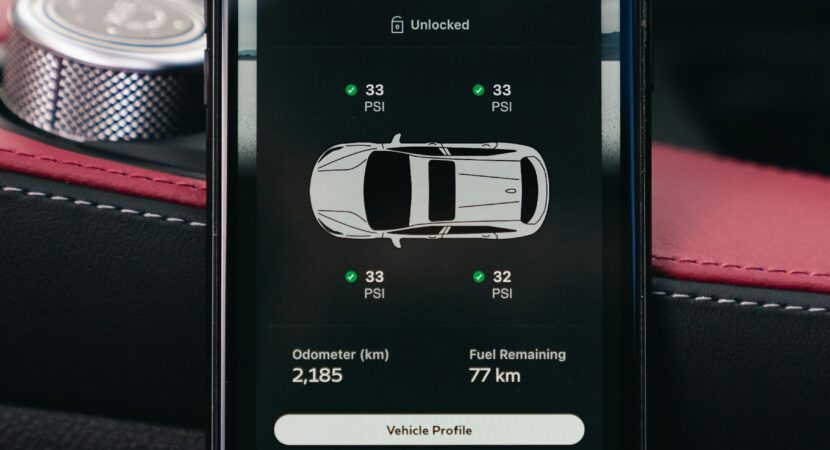
Keep a reliable tire-pressure gauge in your vehicle and note the recommended front and rear pressures; some vehicles use different specifications. If your vehicle displays individual tire pressures, compare each reading with the door-placard recommendation. If it only shows a warning symbol, a manual gauge is especially useful.
When to Get Professional Tire or TPMS Service
Arrange an inspection if the light returns soon after inflation, a tire repeatedly loses pressure, the TPMS flashes and remains illuminated, or you cannot identify which tire is affected. A technician can check for leaks and tire damage and diagnose whether a sensor, valve, or relearn procedure is needed. If the tire is flat, visibly damaged, or the vehicle is difficult to control, do not drive it to the shop; seek appropriate roadside assistance.
Need Tire Help in Asheville or Western North Carolina?
ACO Tires & Detailing helps local drivers with tire service at our Asheville shop and mobile tire service at your home or office when available. If a tire-pressure warning keeps returning or you need help checking a suspected leak, contact us to discuss the safest next step.
- Mobile tire service: 828-338-2206
- Shop: 828-279-2089
- Address: 2 Shagbark Dr, Asheville, NC
- Website: acotires.com
For additional official guidance, see the NHTSA TireWise tire-safety resource. Drive safely, and never ignore a warning accompanied by a visibly low or damaged tire.
Featured image credit: “Automobile, Smart, Dashboard,” by emkanicepic via Pixabay, used under the Pixabay Content License. View the original image source.