Before a mountain drive around Asheville, inspect all four tires for worn tread, visible damage, repeated air loss, and uneven wear. Mountain roads, steep grades, frequent curves, changing temperatures, and rough pavement can make tire problems more noticeable.
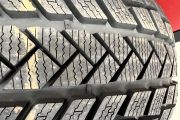
Start with the tread. Look across the full width of each tire. Check for low tread, wear bars nearly level with the tread, feathered tread blocks, and more wear on one edge than the other. Uneven wear can point to incorrect inflation, alignment problems, worn suspension parts, or another issue that should be checked.
Inspect the sidewalls carefully. Do not continue driving on a tire with a bulge, deep cut, exposed cord, major cracking, or damage near the sidewall. A sidewall puncture may not be safely repairable.
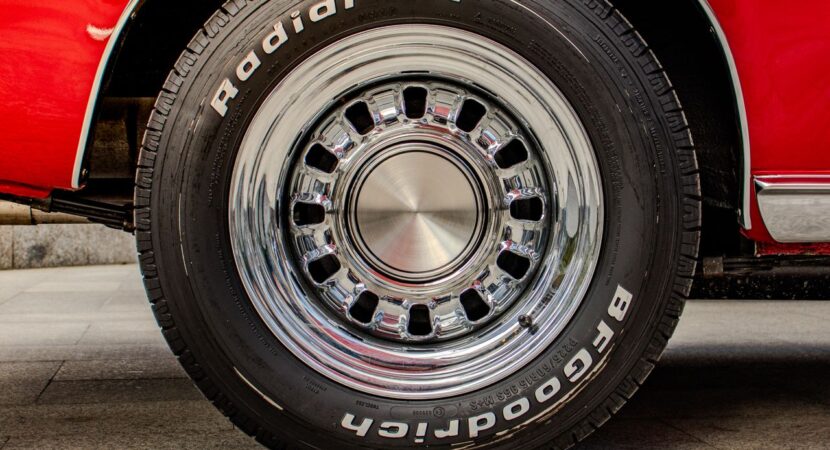
Pay attention to tire age. Tires can age even when they still have usable-looking tread. Find the DOT Tire Identification Number on the sidewall; the last four digits identify the week and year of manufacture. Older tires deserve a closer inspection if you see cracking, stiffness, or repeated air loss.
Watch for repeated air loss. A tire that keeps losing pressure may have a puncture, leaking valve stem, damaged wheel, bead leak, or hidden tire damage. Use the recommended cold PSI listed on the driver-door label or in the owner’s manual, not the maximum pressure printed on the tire sidewall.
Notice changes in how the vehicle drives. Have the tires inspected if you notice vibration that increases with speed, pulling to one side, new humming or thumping sounds, less confident braking, or a steering wheel that no longer feels centered. These symptoms can also come from balance, alignment, suspension, or brake issues.
Driving around Asheville often combines curves, elevation changes, frequent braking, and weather that can change quickly. Before a longer trip, inspect every tire, check the spare if your vehicle has one, and confirm that your tire-pressure gauge is accurate. If a tire has visible damage or the vehicle is handling differently, postpone the trip until the problem is checked.
Do not drive to the shop if a tire is visibly flat, losing air rapidly, has a large bulge, or has major sidewall damage. Ask about mobile tire service or roadside assistance instead. A qualified technician can help determine the safest next step.
The main takeaway is simple: before a mountain drive, inspect tread, sidewalls, pressure, age, and how the vehicle feels on the road. Have any tire with serious wear, visible damage, repeated air loss, or age-related cracking professionally evaluated.