If your steering wheel shakes, your vehicle pulls to one side, or your tires are wearing unevenly, you may wonder whether you need a wheel alignment or tire balancing. These services solve different problems, and knowing the difference can help Asheville, Black Mountain, Weaverville, Fletcher, Canton, and Western North Carolina drivers arrange the right inspection.
The short answer: alignment adjusts wheel angles to the vehicle manufacturer’s specifications. Balancing corrects uneven weight distribution in the tire-and-wheel assembly so it rotates smoothly. Symptoms can overlap, so an inspection is better than guessing.
What Is a Wheel Alignment?
A wheel alignment checks and adjusts wheel angles—commonly called toe, camber, and caster—according to the vehicle manufacturer’s specifications. Proper alignment helps tires meet the road as intended and helps the vehicle track predictably. Alignment angles can shift after impacts, worn suspension parts, or other mechanical changes.
A deep pothole or curb impact on local roads may contribute to an alignment problem, but it can also damage a tire, wheel, or suspension component. If your vehicle suddenly feels different after an impact, have the full system inspected. An alignment adjustment alone will not fix every mechanical issue.
Signs You May Need an Alignment
- The vehicle pulls to one side: On a reasonably level, straight road, it consistently drifts left or right. Road slope and wind can also affect tracking, so this is a clue rather than a diagnosis.
- The steering wheel is off-center: You travel straight while the steering wheel sits noticeably crooked.
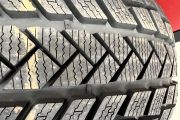
- Tread wear looks uneven: One shoulder may wear faster than the other. Incorrect tire pressure and worn suspension parts can also cause uneven wear.
- Handling has changed: The vehicle feels less stable or does not respond as predictably as before.
If you notice a bulge, deep cut, exposed cords, or other serious tire damage, stop driving on that tire and seek professional help. Alignment cannot make a damaged tire safe.
What Is Tire Balancing?
Every tire-and-wheel assembly has small variations in weight. A balancing machine identifies those variations, and small weights are placed on the wheel to help the assembly rotate smoothly. New tires should be balanced when installed. Balancing may also be appropriate if a wheel weight is lost or vibration develops.
Balancing does not correct wheel angles or repair worn steering and suspension components. It also will not fix a bent wheel or a tire with internal damage; those need separate diagnosis.
Signs Your Tires May Need Balancing
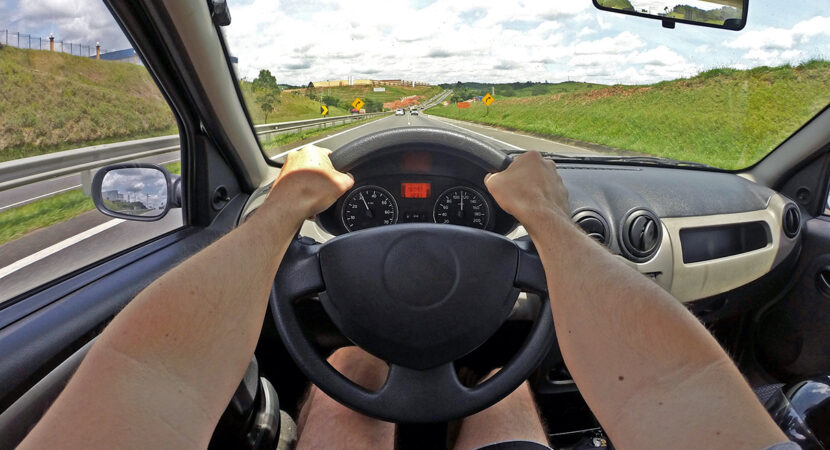
- Vibration at certain speeds: A steering-wheel shake or vibration through the seat that becomes noticeable in a particular speed range can indicate imbalance.
- Shaking after tire service: If vibration starts after new tires are installed or a wheel is removed, ask for the balance and installation to be checked.
- A lost wheel weight: A missing balancing weight can sometimes be spotted, although not every weight is easy to see.
Vibration is not proof that balancing is the answer. Tire damage, a bent wheel, suspension trouble, or other mechanical issues can cause similar symptoms. If shaking is sudden or severe, reduce speed gradually, pull over somewhere safe, and arrange an inspection rather than continuing at highway speed.
Alignment vs. Balancing: Which One Do You Need?
Use symptoms as a starting point, not a final diagnosis:
- Vehicle pulls or steering wheel sits crooked: Ask for an alignment and steering/suspension inspection.
- Vehicle vibrates at certain speeds: Ask for tire-and-wheel balance and an inspection for damage.
- Uneven tread wear: Have pressure, alignment, balance, tire condition, and suspension checked as appropriate.
- New tires are being installed: Have them properly balanced. Ask the technician whether alignment should also be checked based on the vehicle’s condition and symptoms.
Sometimes more than one service is needed. For example, an alignment issue can wear a tire unevenly, while imbalance may cause vibration at the same time. A qualified technician can identify the likely cause before you spend money on the wrong repair.
How Western North Carolina Drivers Can Protect Their Tires
Regular checks help catch small problems before they become expensive or unsafe. The National Highway Traffic Safety Administration recommends checking tire pressure when tires are cold at least monthly, inspecting tread and damage, and following the vehicle manufacturer’s maintenance guidance.
- Check pressure monthly: Use the recommended pressure on the driver’s door-jamb label or in your owner’s manual—not the maximum pressure printed on the tire sidewall.
- Inspect tread and sidewalls: Look for cuts, cracks, bulges, embedded objects, and uneven wear. Replace tires that are worn to the legal/safety limit or damaged.
- Rotate as recommended: Follow your owner’s manual for the appropriate rotation interval and pattern. Some vehicles with different front and rear tire sizes cannot use standard rotation patterns.
- Pay attention after road impacts: A hard hit against a pothole or curb deserves attention if you notice a new vibration, pull, or visible damage.
For more official tire safety and maintenance guidance, visit the NHTSA TireWise resource. If you suspect structural damage or experience severe vibration, do not rely on a visual check alone.
Can Mobile Tire Service Help?
Mobile tire service can be convenient when you need help with tire-related issues at home or work in the Asheville area. A mobile visit may be useful for tire replacement or other services offered by the provider, but wheel alignment generally requires specialized alignment equipment. Ask what service is available for your vehicle and location before booking. If the vehicle is unsafe to drive, arrange appropriate roadside assistance rather than driving it to a shop.
Contact ACO Tires & Detailing in Asheville
Need help with a tire concern, replacement tires, or routine tire maintenance? Contact ACO Tires & Detailing to discuss your symptoms and the service that fits your situation.
- Website: acotires.com
- Mobile tire service: 828-338-2206
- Shop: 828-279-2089
- Address: 2 Shagbark Dr, Asheville, NC
Whether you’re in Asheville, Black Mountain, Weaverville, Fletcher, Canton, or elsewhere in Western North Carolina, describing the symptoms clearly can help determine the next step. If your vehicle pulls, vibrates, or shows uneven tire wear, get it checked promptly instead of assuming alignment or balancing is always the answer.