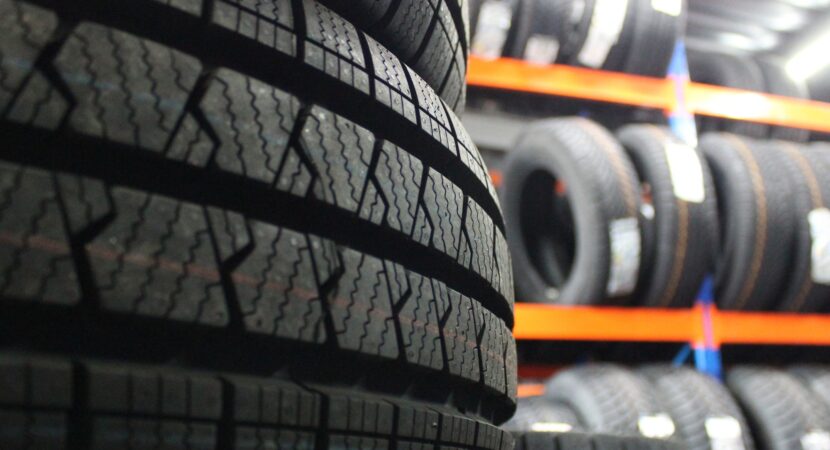
Rain on I-40, a wet curve near Black Mountain, or standing water on a road in Fletcher can turn an ordinary drive into a traction test. One of the most important factors is how much tread remains on your tires. Tread grooves help move water away from the contact patch, allowing the rubber to grip the pavement. As those grooves become shallow, wet-road performance can deteriorate even when the tire still looks acceptable at a glance.
For Asheville, Weaverville, Canton, and other Western North Carolina drivers, understanding tire tread depth can help you decide when to arrange a professional inspection or replacement before heavy rain becomes a problem.
Why Tire Tread Matters on Wet Roads
Tire tread is more than a pattern. Its grooves and channels help disperse water as the tire rolls. When water cannot escape quickly enough, the tire can lose contact with the road surface. This is called hydroplaning. A driver may notice light steering, reduced response, or a sudden feeling that the vehicle is floating.
Hydroplaning risk depends on water depth, speed, tire design, tread condition, and other factors. Deep tread does not guarantee immunity, but worn tread reduces the tire’s ability to manage water. Slowing down in rain and avoiding standing water are essential regardless of tire condition.
What Is the Minimum Safe Tire Tread Depth?
The National Highway Traffic Safety Administration advises replacing tires once tread reaches 2/32 of an inch. This is a minimum replacement threshold, not a promise of strong wet-weather traction until that exact point. Wet braking and hydroplaning resistance can decline well before the grooves reach the wear bars.
Many drivers choose to discuss replacement earlier when they regularly encounter heavy rain or mountain roads. The appropriate timing depends on the tire, vehicle, driving conditions, and professional inspection. Do not assume that a tire is suitable for every road condition simply because it remains above the minimum tread depth.
How to Check Tread Depth at Home
A tread-depth gauge is an inexpensive way to get a more precise reading. Park on a level surface, turn off the vehicle, and measure several main tread grooves across each tire. Record the shallowest reading. Avoid measuring on top of a raised treadwear bar, which will give a misleading result.
You can also use the penny test as a rough screening tool: insert a penny with Lincoln’s head upside down into a main tread groove. If the top of his head remains visible, the tread may be at or below 2/32 inch and replacement is due. A gauge provides more useful information if you want to track wear before reaching that threshold.
Look across the entire tire, not just one spot. One shoulder may be substantially more worn than the center, or one tire may have less tread than the others. If you cannot safely access the inner tread, ask a tire professional to inspect it.
Five Warning Signs Beyond the Numbers
- Wear bars are flush with the tread: Raised indicators inside the grooves become level with surrounding tread when the tire reaches its wear limit.
- Uneven shoulder wear: One edge may be wearing faster, potentially signaling inflation, alignment, or suspension concerns.
- Cracks, bulges, or exposed cords: These can indicate serious damage. Do not continue driving on a tire with a bulge or exposed cords.
- Frequent slipping on wet pavement: Traction problems deserve attention, although speed, road contamination, and other mechanical issues can contribute.
- Repeated air loss: A tire that continually needs inflation should be professionally checked for leaks or damage.
If you spot a problem, do not assume rotation or balancing will restore worn-out tread. Those services address different concerns. Read our guide to wheel alignment versus tire balancing for more information.
Why Western North Carolina Roads Deserve Extra Attention
Mountain driving often combines curves, elevation changes, changing weather, and downhill braking. A tire with limited tread may feel normal on a dry neighborhood street yet offer less margin when rain starts on a faster road. On winding routes, a smooth steering input and lower speed are particularly important.
Watch for water collecting in low spots and ruts. Leave extra following distance, brake gently, and avoid abrupt acceleration or steering. Cruise control is best avoided on slick roads where wheel traction may change unexpectedly. If rain is heavy enough that you cannot see clearly, find a safe place to stop rather than pressing on.
Should You Replace Two Tires or All Four?
The answer depends on the vehicle, the remaining tread on the other tires, tire size, drivetrain, and manufacturer requirements. Some all-wheel-drive systems have strict limits on differences in tire circumference, and mismatched tires can cause mechanical problems. Consult the owner’s manual and a qualified tire professional before choosing a partial replacement.
If replacing only two tires is appropriate, tire industry guidance commonly recommends placing the newer pair on the rear axle for better stability on wet roads, regardless of whether the vehicle is front- or rear-wheel drive. Always follow vehicle-specific manufacturer guidance. Tires should also match the required load rating, speed rating, and approved size.
What If You Discover a Damaged or Nearly Bald Tire?
Do not drive on a tire with exposed cords, a bulge, or other obvious structural damage. If the tire is flat, stop in a safe location away from moving traffic. Never attempt a roadside tire change where passing vehicles put you at risk. A professional can determine whether replacement or another service is appropriate.
If a puncture caused the problem, not every flat can be safely repaired. The location and extent of damage, plus whether the tire was driven while underinflated, matter. See our flat tire repair versus replacement guide for details.
Build a Simple Monthly Tire Routine
Check tire pressure and tread at least monthly, and before longer trips. Measure pressure when tires are cold—typically after the vehicle has been parked for at least three hours—and use the vehicle manufacturer’s recommended pressure on the door-jamb placard or in the owner’s manual. The number molded on the tire sidewall is not the vehicle’s recommended inflation setting.
Inspect the sidewalls for damage, remove no embedded objects without professional guidance, and pay attention to new vibrations or changes in handling. Keep notes of tread measurements so you can spot unusually rapid or uneven wear. For more information, see our tire pressure checklist and the NHTSA TireWise safety guidance.
Get Tire Help from ACO Tires & Detailing in Asheville
If you’re unsure how much tread remains or whether your tires are ready for Western North Carolina’s rainy roads, contact ACO Tires & Detailing. We can discuss tire replacement options and mobile tire service availability for your location.
Visit acotires.com, call 828-338-2206 for mobile tire service, or reach the shop at 828-279-2089. Our shop is located at 2 Shagbark Dr, Asheville, NC. We help drivers in Asheville and surrounding communities, including Black Mountain, Weaverville, Fletcher, and Canton. Schedule an inspection before a worn tire turns a rainy commute into an emergency.